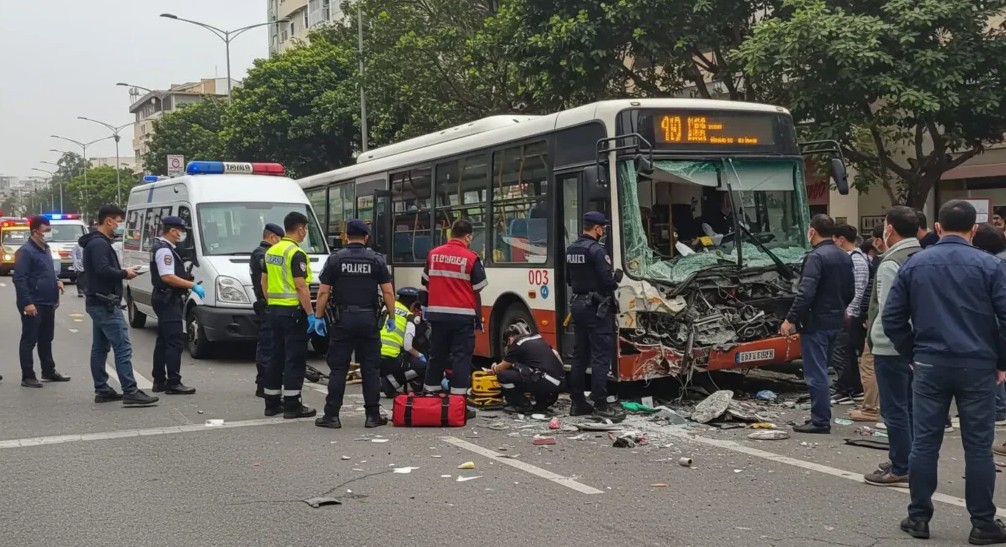
A bus ride should feel routine. You get on, find a seat, and wait for your stop. Then, without warning, a hard crash can turn that normal trip upside down. Bus crashes may cause broken bones, head wounds, back pain, or lasting nerve damage. Some victims can’t work for weeks. Others face months of care and a stack of bills. Then comes a tough question: Who is legally at fault? The answer isn’t always clear. Bus accident claims in Washington, DC can involve several people, firms, or public groups. Finding the right party often takes a close look at the facts.
Why Bus Accident Liability Gets Messy
A car crash may involve two drivers and their insurers. Bus claims can be quite different. The bus driver may have made a bad turn. A bus firm may have skipped key safety checks. A city agency could own or run the bus. In some cases, another driver caused the whole wreck. Here’s the thing: more than one party may share blame. That matters because each liable party may play a role in paying a valid injury claim. A DC Personal Injury Lawyer can review the crash facts and trace where the fault may lead. It’s a bit like following footprints after a storm. Some marks are clear. Others fade fast.
Was the Bus Driver at Fault?
Bus drivers have a serious job. They carry many people through busy streets, tight turns, and heavy traffic. A driver may cause a crash by speeding or following too close. Running a red light can also lead to a major wreck. Phone use, fatigue, or poor focus may raise more concerns. Driver records can help show what happened. Video from the bus may also catch key moments before impact. Witness statements matter too. A passenger may recall a sudden lane change or hard brake. Those small details can fill gaps in the story. Yet driver fault isn’t the end of the issue. The driver’s employer may also face a claim.
When the Bus Company May Share Blame
Bus firms must hire safe drivers and keep their vehicles fit for the road. What if a firm hired a driver with a poor safety record? What if staff ignored past complaints? Those facts may point to fault beyond the person behind the wheel. Poor bus care can also cause harm. Worn brakes, bad tires, broken lights, and steering faults can lead to a crash. Maintenance logs may show missed checks or old repair needs. A bus company may also push unsafe work hours. Tired drivers make mistakes. A few lost seconds of focus can be enough on a packed DC street. This is why bus accident cases often reach past the crash scene. The paper trail may tell a much bigger story.
Public Buses Bring Extra Legal Issues
Some Washington, DC bus claims may involve a public transit group or other government body. These cases can have special rules. Notice terms and filing steps may differ from a claim against a private firm. Missing a required step can put a claim at risk. That sounds harsh, especially when someone is hurt. Still, legal time limits don’t stop while a victim heals. Quick action may help preserve bus video, route data, driver logs, and other records. Those items can be lost or replaced as time passes. A legal team can identify the bus owner and the group that ran the route. That first check may shape the whole case.
What If Another Driver Caused the Crash?
Not every bus wreck starts with the bus driver. A car may cut across the bus lane. A truck could run a light. A rideshare driver may stop with little warning near a busy curb. The bus driver may brake hard to avoid impact. Passengers can still be thrown from their seats, even when the bus hits nothing. Yes, a person may have an injury claim after a sudden stop. A direct crash isn’t always needed. The facts and proof will matter. Police reports, traffic cameras, dashcams, and witness accounts can help identify the other driver. In some crashes, fault may be shared. One driver may start the danger, while another fails to react with proper care.
Bus Makers and Repair Shops Can Face Questions Too
Sometimes, the problem is the bus itself. A faulty brake part may fail. A tire could have a defect. A door, seat, or safety part may not work as it should. A repair shop may also make a poor repair or miss an obvious fault. These claims often need a close review of the bus and its parts. Repair bills, service notes, and part records may become key proof. Think of it like a chain. One weak link can cause the whole thing to fail. Victims shouldn’t assume the driver caused the crash just because the driver was at the wheel. The real cause may sit deeper in the records.
Evidence Can Make or Break a Bus Accident Claim
Bus crash scenes change quickly. Vehicles move. Roads reopen. Witnesses go home. Strong proof can disappear before a victim knows it matters. Useful evidence may include:
- Bus camera footage and event data
- Police crash reports
- Driver work and training records
- Bus repair and service logs
- Traffic or nearby shop camera video
- Photos of the scene and injuries
- Medical files and treatment bills
- Statements from passengers and other witnesses
Medical care also creates a clear record of harm. Waiting too long may make it harder to connect an injury with the crash. Some injuries don’t feel severe right away. Adrenaline can mask pain. A sore neck on day one may feel far worse several days later. Getting checked by a doctor protects your health and creates a record of your symptoms.
What Damages May a Bus Accident Victim Seek?
A serious bus injury can affect more than physical health. Medical costs may grow fast. Missed work can cut household income. Daily tasks, sleep, and family life may change. A claim may seek payment for medical bills, lost wages, and future care needs. Pain and emotional harm may also form part of the case. Severe injuries can bring much larger needs. Spinal cord damage may require long-term care or home changes. Serious burns can lead to surgery and painful rehab. Brain injuries may affect memory, mood, and work skills. Price Benowitz Accident Injury Lawyers, LLP handles a wide range of injury cases in Washington, DC. The firm works with victims hurt in car, truck, motorcycle, bicycle, bus, and pedestrian accidents. Its team also represents people facing catastrophic injuries, including burn and spinal cord injuries.
Don’t Let Finger-Pointing Stall the Claim
Bus accident cases can turn into a blame game. The driver may blame another car. The bus firm may point to a repair shop. An insurer may claim the victim’s injuries came from an old health issue. Meanwhile, the injured person is stuck with bills and pain. That’s why a full review matters. Liability should rest on records, video, witness accounts, and other facts—not quick guesses. A legal claim may also involve more than one insurer. Each carrier may try to limit its share of the loss. For victims, that can feel like being passed from desk to desk. Legal help can bring those moving parts into one focused case review.
Moving Forward After a DC Bus Crash
The days after a bus accident can feel strange. One minute, life was normal. The next, medical visits and insurance calls fill the week. Start with your health. Keep copies of bills, work notes, and crash papers. Save photos and contact details for witnesses. Be careful when speaking with insurance staff. A casual comment may later be taken out of context. Liability in a Washington, DC bus accident isn’t always obvious. The driver, bus firm, public group, repair shop, part maker, or another motorist may bear fault. The facts decide where the claim goes. Price Benowitz Accident Injury Lawyers, LLP can assess bus accident cases and examine possible sources of liability. For injured victims, early legal review may help protect key proof and clarify the next steps.
Frequently Asked Questions About Washington, DC Bus Accident Liability
1. Who can be held liable for a bus accident in Washington, DC?
Several parties may face liability. The bus driver, bus company, public transit group, another driver, repair shop, or part maker could bear fault. The crash cause and available proof will guide the claim.
2. Can I file a claim if a public bus caused my injury?
Yes, a claim may be possible when a public bus or transit group causes harm. These cases may follow special notice and filing rules. Acting soon can help protect your right to seek payment.
3. Can I recover damages if the bus stopped suddenly but did not crash?
You may have a claim if a sudden stop caused an injury due to unsafe conduct. Video, witness accounts, and medical records may help prove what happened and link your injuries to the event.
4. What evidence is most useful after a DC bus accident?
Bus video, police reports, medical files, witness statements, and scene photos can be useful. Driver records and bus repair logs may also reveal safety issues. Early evidence review can help identify all parties that may share fault.
5. How long do I have to take legal action after a bus accident?
The time limit depends on the facts and the party involved. Claims tied to a public body may have special notice rules. A prompt case review can help identify the correct deadline and avoid missed filing steps.