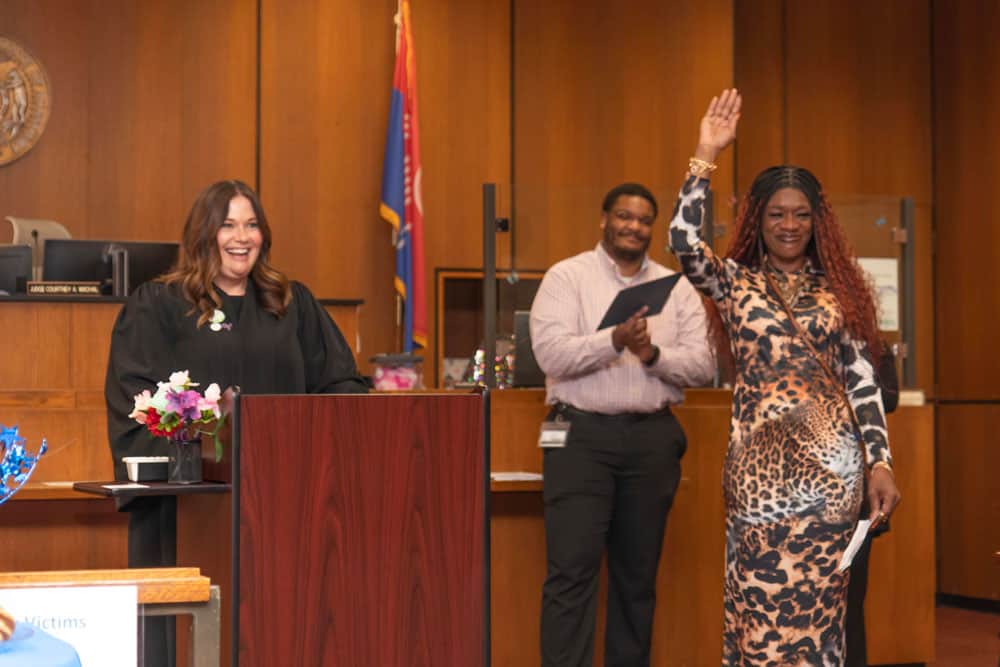
A court case can feel scary on its own. Add a mental health struggle, and life may feel much heavier. For some people, jail or a standard court sentence doesn’t fix the real problem. The same stress, poor choices, or health needs may still be there afterward. Kansas City Wellness Court takes a different path. It focuses on treatment, court oversight, and steady support. The goal is simple in theory, though the work can be hard: help people build a safer and more stable life. Kansas City Municipal Court formed Wellness Court by merging its Drug Court and Mental Health Court programs in January 2025. The court serves people facing municipal charges who show signs of both substance use and mental health needs. This treatment-based model is part of the broader Kansas City Specialty Courts approach supported by Beyond the Bench KC.
Why Mental Health Can Affect a Court Case
Mental health and legal trouble can cross paths in messy ways. There’s rarely one neat cause. A person may stop taking prescribed medicine. Someone else may lose stable housing and fall into a crisis. Trauma, substance use, stress, and poor sleep can also pile up. Then one bad night becomes an arrest. Here’s the thing. Punishment alone may not address those deeper needs. A short jail stay can end, yet the same risks may remain. The Wellness Court looks at the person behind the case. Treatment teams can help address mental, emotional, and physical needs while the court tracks progress. That doesn’t mean charges are ignored. It means the court uses close review and treatment as part of its response.
What Is Kansas City Wellness Court?
Kansas City Wellness Court is an intensive, court-supervised treatment program. Participation is voluntary. The program serves eligible people charged in Kansas City Municipal Court. It focuses on those showing signs of both substance use and mental health disorders. In plain English, the court asks a different question. Instead of only asking, “What rule was broken?” the team also asks, “What keeps bringing this person back?” That shift matters. A mental health need may affect judgment, mood, or daily tasks. Substance use can make those problems worse. When both occur together, care may need to address both at once. Wellness Court was built around this whole-person view.
Treatment Isn’t a Quick Fix — and That’s the Point
There is no magic button for mental health care. Real progress often takes time. Wellness Court uses four main phases: orientation, stabilization, community reintegration, and maintenance. Participants work through treatment goals and court rules. They may also take part in programs based on their own interests and needs. The court’s stated goals reach beyond a case file. Support may involve employment, education, and housing needs. Think of it like repairing a house after years of leaks. Painting the wall won’t stop the water. You have to find the source. Mental health treatment works in a similar way. Care may help identify triggers, harmful habits, and gaps in support. Progress can be slow. There may be rough weeks. Still, steady care can help a person build new habits that last.
What Mental Health Treatment May Involve
Treatment plans depend on each person’s needs. No two people walk into court with the exact same story. Care may include mental health treatment, substance use services, or both. Aftercare and relapse prevention may also play a role. Participants must meet treatment goals and follow their Wellness Court contract. Court review adds a clear layer of accountability. Yes, accountability can sound harsh. In this setting, though, it may act more like guardrails on a steep road. Regular check-ins help the team see what is working. They may also spot trouble before it grows into a new crisis. The court also expects progress in daily life. Stable housing, no new charges, and completion of court goals are key parts of program success.
Why Housing, Work, and Daily Life Matter
Mental health care doesn’t happen in a vacuum. Picture trying to attend therapy while sleeping in a car. Or trying to keep appointments without safe transport. Even small tasks can feel huge during a crisis. That’s why support outside the clinic matters. Wellness Court aims to help participants create a more stable life. The program may address housing, work, and education needs as part of that effort. These needs are tied together more than people think. A safe place to sleep may support better rest. Better rest may help someone think clearly. Clearer thinking can make it easier to attend treatment and follow court rules. One step feeds the next. Beyond the Bench KC promotes public awareness and community support for this type of court work. Its mission reflects a core belief: justice can address the roots of harmful acts while still calling people to account.
Court Oversight Keeps the Process Moving
Treatment court isn’t a free pass. Participants face court oversight and must follow program rules. They have treatment goals, court terms, and progress checks. The program also has clear completion standards. These include treatment success, aftercare compliance, stable housing, and no new arrests or charges. Participants must remain alcohol and drug free for at least 180 days before completion. Other court terms may also apply. Why so much structure? Because change can get shaky when life gets hard. A court team can track setbacks, review progress, and keep the plan in view. Some people need that firm structure. Others need treatment access. Many need both. That’s where the Wellness Court model fits.
Mental Health Care Can Change More Than a Case
A court case has a case number. A person has a life. That sounds simple, but it’s easy to forget when legal systems get busy. Good treatment may help someone manage symptoms, rebuild trust, and make safer choices. Stable housing or steady work can also reduce daily chaos. Will every person have the same result? No. Human lives don’t work that way. Still, a system that looks at root causes can create room for real progress. Kansas City Wellness Court reflects that idea. Treatment, oversight, and support work side by side. Beyond the Bench KC helps bring public attention to the rehabilitative mission of Specialty Courts. Community support matters because recovery rarely happens alone. For many participants, the hard part isn’t simply finishing the court. It’s learning how to live differently after the case ends. And really, that’s the bigger goal.
Frequently Asked Questions
1. What is Kansas City Wellness Court?
Kansas City Wellness Court is a voluntary, court-supervised treatment program for eligible Municipal Court participants. It combines mental health and substance use care under one court model. The program was formed after Kansas City’s Drug Court and Mental Health Court merged in January 2025. It aims to serve the whole person while promoting better health, fewer repeat offenses, and greater public safety.
2. Does Wellness Court provide mental health treatment?
Yes. Mental health treatment is a core part of the Wellness Court program for participants with treatment needs. Care may be paired with substance use treatment when both needs are present. Participants follow treatment goals, court terms, and aftercare plans based on program requirements.
3. Is Kansas City Wellness Court voluntary?
Yes. Participation in Kansas City Wellness Court is voluntary. A person must meet program rules and agree to take part. Once enrolled, the participant must follow the court contract, treatment plan, and other required conditions.
4. How does Wellness Court help with stable living?
Wellness Court focuses on more than treatment sessions and court dates. The program aims to support a stable lifestyle, including help tied to housing, work, and education. Stable housing is also listed among the program’s completion goals.
5. Why are mental health programs used in Specialty Courts?
Mental health programs can address needs linked to repeated legal trouble. Treatment may help participants manage health needs, follow care plans, and build safer daily habits. Court oversight adds structure and accountability while participants work toward long-term stability.