Brisbane’s riverfront precincts are among the most visually compelling shooting locations available in Queensland. The combination of water, skyline, light quality across different times of day, and the architectural variety of South Bank, Howard Smith Wharves, and the central business district riverfront creates genuinely distinctive visual options for commercial and corporate video production. They are also among the most logistically complex locations to shoot in, and productions that arrive without thorough location scouting and permit management in place regularly encounter problems that compromise the shoot day and drive up costs.
Understanding the specific logistical demands of riverfront location shooting in Brisbane turns a potentially chaotic day into a controlled production environment.
The Permit Landscape
Brisbane City Council and the Queensland state government manage different jurisdictions within the riverfront precinct, and the permit requirements depend on the specific location being used, the size of the production crew and equipment, and the nature of the shoot. Commercial video production in any public space requires a permit, and the penalties for shooting without one in a council-managed precinct include fines and forced cessation of the shoot that can destroy a production schedule.
South Bank Corporation manages the South Bank Parklands separately from Brisbane City Council, with its own filming permit application process and fee structure. The lead time for permits in high-demand areas can be two to three weeks, which means location scouting and permit applications need to be initiated well before the planned shoot date rather than in the week before production.
For video production Sydney based companies working in the Brisbane market, unfamiliarity with the specific Brisbane permit requirements is a common source of problems. Engaging a local production coordinator or fixer who knows the specific requirements for each precinct significantly reduces the risk of permit-related complications.
Traffic and Public Movement Management
Riverfront locations in Brisbane attract significant foot traffic throughout the day, with peak volumes in the morning and evening commute periods and during weekend recreational use. Filming in these areas without traffic management creates several problems: unpermitted individuals entering the frame, audio contamination from crowd noise, and safety risks if equipment is positioned in pedestrian pathways.
The permit conditions for many Brisbane riverfront locations specify minimum traffic management requirements, including the number of production assistants required to manage public movement around the shooting area and whether any temporary barriers or exclusion zones are permitted. Confirming these conditions before the shoot day and having the required personnel available is a compliance obligation as well as a practical necessity.
Equipment Access and Parking
Getting camera, lighting, and audio equipment to riverfront locations presents practical challenges that differ from suburban or commercial building shoots. Many riverfront precincts have restricted vehicle access, with production vehicles required to load and unload from designated areas that may be some distance from the actual shooting location.
For video production brisbane productions that involve substantial equipment, confirming vehicle access routes, load-in windows, and parking arrangements as part of the location scout is essential. Discovering on the shoot day that equipment cannot be driven to within reasonable carrying distance of the location adds time, physical effort, and potential equipment risk to an already complex logistics picture.
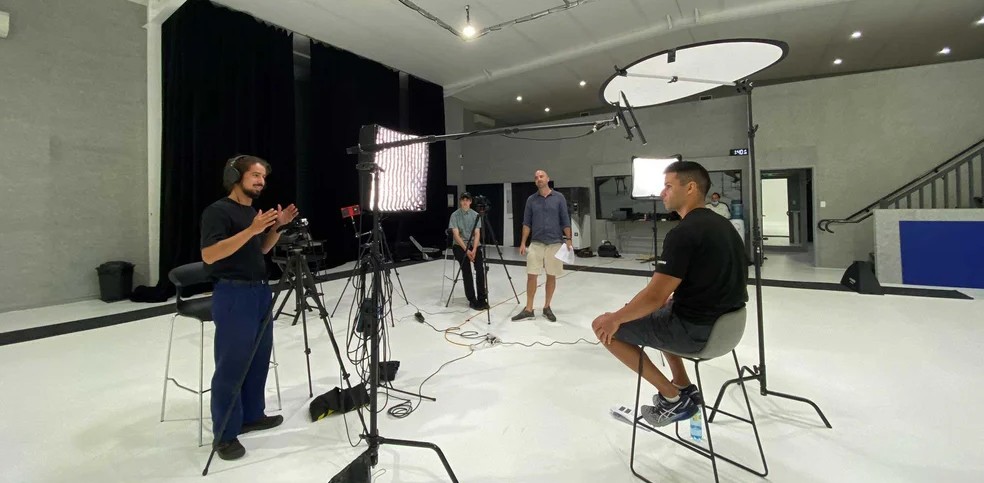
Battery-powered lighting solutions have become increasingly viable for riverfront location shoots as the technology has improved, eliminating the need for generator hire and the cable management challenges that come with mains power in pedestrian areas. For many riverfront productions, this approach simplifies the logistics considerably relative to traditional mains-powered lighting setups.
Time of Day and Light Quality
The light quality at Brisbane’s riverfront locations changes dramatically through the day and should be a primary consideration in shoot scheduling rather than an afterthought. The golden hour light in the period after sunrise and before sunset produces water reflections, skyline colour, and overall image quality that midday light cannot match for most production aesthetics.
Scheduling shoots to capture the optimal light conditions requires coordinating talent, crew, and permit conditions within a relatively narrow window. Over-engineering the shot list for a two-hour golden hour window typically produces worse results than a tighter, more realistic plan that can be executed without rushing.