Spending hours on your feet can take a noticeable toll on your body. Whether you work in healthcare, retail, hospitality, manufacturing, education, or another profession that requires prolonged standing, tired and achy legs often become part of the daily routine. While some muscle fatigue is normal, adopting a few simple recovery habits can make evenings far more comfortable and help you feel better prepared for the next day.
Relief doesn’t necessarily require expensive equipment or complicated recovery routines. Small adjustments before, during, and after work often make the biggest difference when practiced consistently.
Give Your Legs Time to Recover
After standing for extended periods, it’s tempting to collapse onto the sofa and remain still for the rest of the evening. While rest is important, gentle movement often helps reduce stiffness more effectively than complete inactivity. A short walk around the neighborhood, light stretching, or simple ankle circles encourage circulation while helping muscles gradually relax.
Recovery routines also vary from person to person. Some travelers rely on stretching sessions after a long flight, while others unwind with massage tools, foam rollers, or skincare products after a day of sightseeing.
Many also prefer to keep the same wellness products they use at home within easy reach when traveling. For those who value consistency in their routines, Medterra may become one of the familiar additions to a post-travel recovery ritual, helping maintain habits that don’t need to change simply because the destination has.
Elevate Your Legs for a Few Minutes
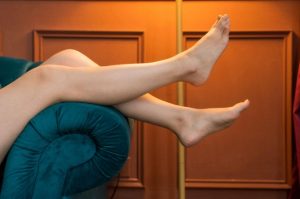
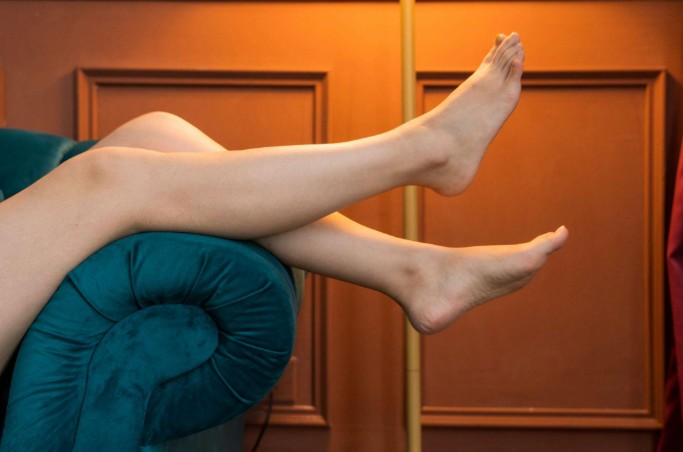
One of the simplest ways to ease tired legs is to elevate them above heart level for a short period after work. This position can help reduce the feeling of heaviness that often develops after standing for several hours.
Lying on the floor with your calves resting on a sofa or placing your legs against a wall for ten to fifteen minutes allows your body to relax while encouraging circulation. Many people find this especially helpful after particularly demanding shifts.
Combining elevation with slow, controlled breathing can also create a calming transition between work and the rest of the evening.
Stretch the Muscles That Work the Hardest
Standing places continuous demands on the calves, hamstrings, hips, and lower back. Gentle stretching after work helps maintain flexibility while reducing the tightness that frequently develops throughout the day.
Simple calf stretches against a wall, hamstring stretches, and hip flexor movements require only a few minutes but can noticeably improve comfort when performed regularly. The goal isn’t pushing flexibility to its limits but gradually allowing muscles to relax after prolonged activity.
Stretching also provides an opportunity to notice areas that consistently become tight, making it easier to adjust movement habits over time.
Wear Supportive Footwear
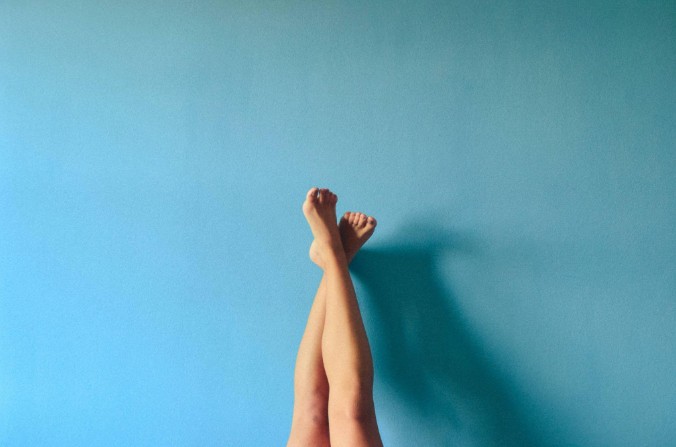
Photo by Lucrezia Carnelos on Unsplash
Leg discomfort often begins with inadequate footwear. Shoes that provide proper cushioning and arch support reduce stress on the feet while improving alignment throughout the ankles, knees, and hips.
People whose jobs require standing for long periods may also benefit from replacing worn-out shoes before they visibly deteriorate. Even high-quality footwear gradually loses its ability to provide effective support after months of regular use.
If workplace dress codes limit footwear choices, supportive insoles can often provide additional comfort without changing the appearance of the shoe.
Stay Hydrated Throughout the Day
Hydration influences muscle function more than many people realize. Drinking enough water throughout the day helps support normal muscle performance while reducing the likelihood of fatigue associated with dehydration.
Rather than trying to drink large amounts after arriving home, carrying a reusable water bottle and taking regular sips during the workday often proves more effective. Pairing hydration with balanced meals that include adequate potassium and magnesium also supports healthy muscle function.
Maintaining these habits consistently is often more beneficial than trying to recover all at once after work ends.
Consider Compression Socks if Appropriate
For some people, particularly those who spend entire shifts standing, compression socks may provide additional comfort during the day. They are designed to apply gentle pressure to the lower legs, which can help support circulation for certain individuals.
Compression garments are not appropriate for everyone, however. People with underlying medical conditions or circulation concerns should seek advice from a healthcare professional before using them regularly.
Choosing the correct size is equally important, as poorly fitted compression socks may be uncomfortable or less effective.
Small Recovery Habits Make a Big Difference
Achy legs don’t have to become an unavoidable part of every workday. Simple habits such as gentle stretching, staying hydrated, elevating your legs, wearing supportive footwear, and creating a consistent recovery routine can significantly improve comfort over time.
Rather than searching for a single solution, combining several small practices often produces the best results. When recovery becomes part of your daily routine instead of an occasional response to discomfort, you’re more likely to finish each day feeling refreshed and ready to take on the next one.