Choosing the right fast charger matters because charging speed, device safety, and long-term battery health all depend on using appropriate power delivery. A charger that is too weak can charge slowly or fail to support larger devices like tablets and laptops. A charger with the wrong protocol, port type, or cable may also prevent fast charging even when the wattage looks sufficient on paper. The best choice is a charger that matches your device’s power needs, supports the correct charging standard, and fits how you actually use your devices at home, at work, or on the go. A well-matched fast charger also reduces clutter by powering multiple devices efficiently from one compact unit. Instead of guessing based on marketing terms, focus on practical details such as wattage, USB-C support, safety systems, and port configuration. Those factors make fast charging reliable, efficient, and convenient across your everyday devices.
Check Device Compatibility Before Buying a Fast Charger
Match Charger Power Output With Your Device Requirements
Start by checking how much power your device can accept. Phones often fast charge at lower wattages, while tablets, handheld consoles, and laptops may require much more power for full-speed charging. If your charger delivers less than your device needs, charging will still work but at a slower rate. If it delivers more, the device will only draw the power it is designed to handle, provided the charger supports proper power negotiation. That makes wattage matching simple: choose a charger that meets or exceeds your highest-power device. For people charging several products, a charger with enough total output across all ports is essential. Always review the device label, manufacturer guidance, or original charger rating so you can choose a fast charger that provides the right performance without guesswork.
Identify Charging Standards, Ports, and Cable Compatibility
Fast charging depends on more than wattage alone. Your charger must support the same charging standard your device uses, such as USB Power Delivery through USB-C, and the cable must also handle the required power and data communication. A USB-C port is now the most versatile choice because it can charge phones, tablets, accessories, and many laptops. Still, some devices may use USB-A, Lightning, or other cable types on the device end, so check the full connection path before buying. Using an older or low-rated cable can limit charging speed even with a powerful adapter. Look for clear support for fast-charging protocols, the right port mix, and certified or properly rated cables. When these three elements match, your device can charge safely and at its intended speed.
Evaluate Key Features When Selecting a Fast Charger
Consider Safety Protection, Efficiency, and Charging Performance
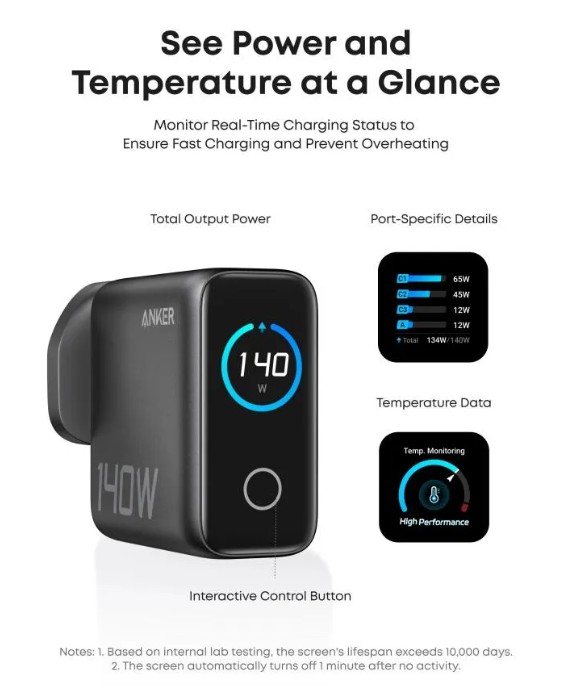
A good fast charger should protect your device while delivering stable power. Look for features such as temperature control, overvoltage protection, overcurrent protection, and short-circuit safeguards. These systems help prevent overheating and support safer daily charging, especially for high-power devices. Efficiency also matters because a more efficient charger wastes less energy as heat and usually performs better over longer sessions. Charging performance should remain consistent whether you are topping up a phone quickly or powering a tablet during active use. Advanced power management can detect connected devices and adjust output intelligently, improving both speed and reliability. Compact chargers built with modern components can also offer higher output without bulky designs. When comparing options, prioritize proven safety features and steady real-world performance rather than focusing only on the highest advertised wattage.
Choose the Right Charger Design for Home, Office, and Travel Use
The best charger design depends on where and how you use it. For a bedside table or desk, a multi-port wall charger can replace several separate adapters and keep your setup cleaner. For office use, compact chargers with enough power for a phone and laptop are especially practical because they reduce cable and outlet clutter. For travel, size, weight, foldable plugs, and broad voltage support become more important. A slim charger that fits easily into a bag can be more useful than a larger model with extra capacity you rarely need. Port placement also affects convenience when charging multiple devices in tight spaces. If you move between rooms, workspaces, or airports often, choose a charger that balances output with portability. The right design makes fast charging easier to use every day, not just faster on paper.
Find a Fast Charger That Works Across Multiple Devices
Selecting Multi-Port Chargers for Phones, Tablets, and Laptops
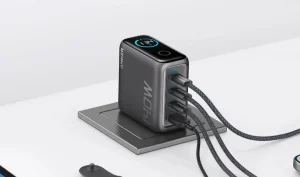
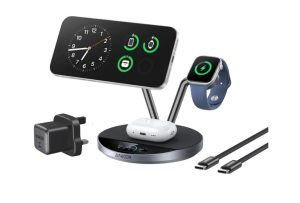
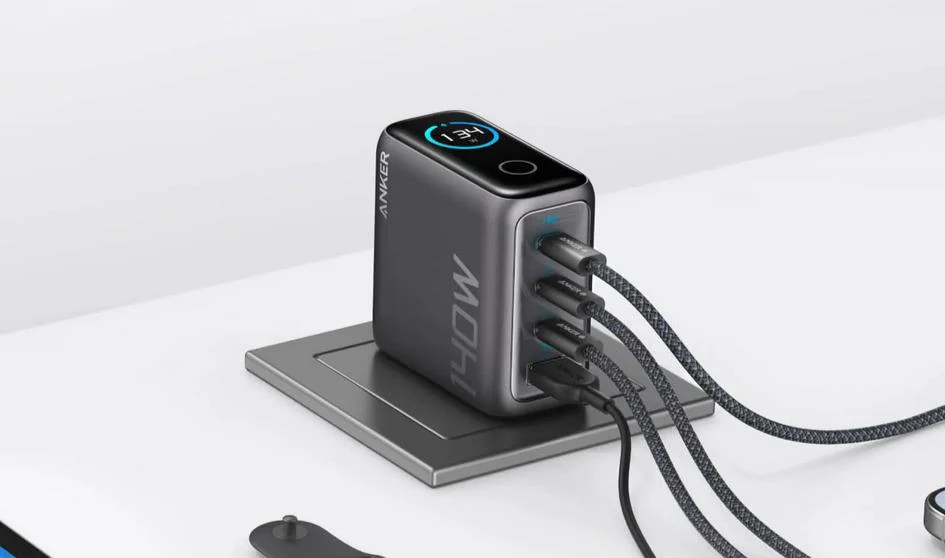
If you want one charger for several devices, choose a multi-port model with enough total wattage and intelligent power distribution. This lets you charge a phone, tablet, earbuds, or even a laptop from a single adapter without carrying separate chargers. The key is to check both the maximum output of each port and how power is shared when multiple devices are connected. A charger may offer high power from one port alone but divide output differently in multi-device use. USB-C ports are usually the most useful for modern gear, especially when one of your devices is a laptop. A mixed USB-C and USB-A setup can still be helpful if you use older accessories. For everyday convenience, select a charger that covers your highest-power device first, then supports your smaller devices at the same time.
Exploring Reliable Fast Charger Options From Anker’s Collection
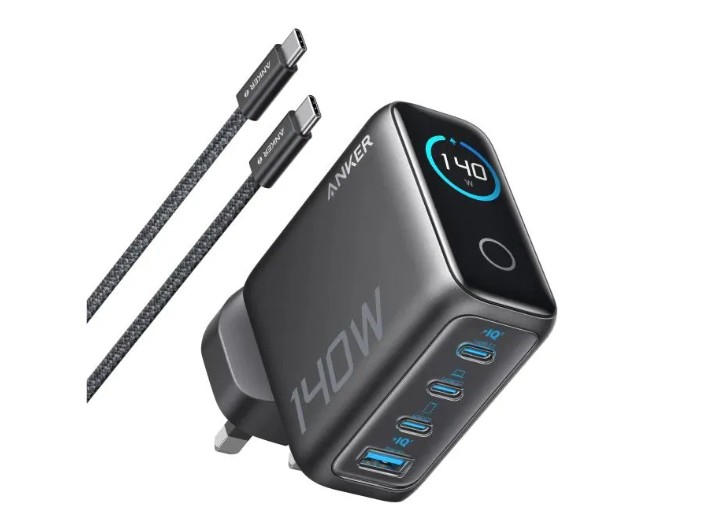
Anker’s fast charger collection offers practical options for users who want broad compatibility, compact design, and dependable charging performance across different device categories. For example, chargers with USB-C Power Delivery support can handle everyday phones and tablets efficiently, while higher-output models are better suited for laptops and multi-device setups. Many Anker chargers also use compact internal designs that help deliver strong power in smaller housings, which is useful for travel and desk use alike. When selecting from the collection, focus on the port count you need, the maximum wattage required by your highest-power device, and whether you want a single-port charger for speed or a multi-port charger for flexibility. Anker options are especially useful for people trying to simplify charging with one reliable adapter that can support several devices without adding unnecessary bulk.
Conclusion
To choose the right fast charger, start with compatibility. Match the charger’s wattage to your most demanding device, confirm support for the correct charging standard, and use a cable that can carry the required power. Then look at safety protections, efficiency, and a design that fits your daily routine. If you charge multiple devices, a well-rated multi-port charger can save space and simplify your setup. The best fast charger is not simply the most powerful one. It is the one that charges your specific devices quickly, safely, and conveniently wherever you use them.