Approved antibody fragments offer valuable therapeutic options when rapid tissue penetration, modular engineering, or reduced Fc-mediated activity is desired. Their smaller size, however, creates distinct pharmacokinetic behavior compared with full-length antibodies. Preclinical PK evaluation is therefore essential before clinical development advances. Scientists need to understand how quickly a fragment is cleared, whether renal filtration dominates elimination, how strongly target binding affects exposure, and which design changes can improve durability in circulation. Drug metabolism and pharmacokinetics, or DMPK, provides the framework for answering these questions. By integrating in vitro characterization, in vivo studies, and translational analysis, developers can select the right format, optimize dosing strategy, and reduce late-stage surprises for approved and emerging antibody fragment programs.
Why Preclinical PK Matters for Approved Antibody Fragments
PK Challenges Across Fab, scFv, and VHH Formats
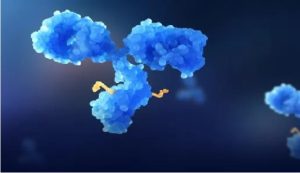
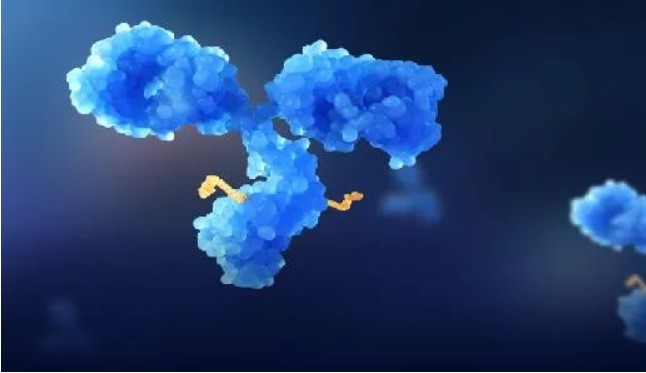
Fab, scFv, and VHH fragments each present specific PK challenges rooted in size, structure, and biology. Fab molecules are larger than scFv and vhhs constructs, yet many still fall below the threshold where renal clearance becomes significant, leading to shorter half-life than IgG. scFv fragments often face additional issues with conformational stability, aggregation tendency, and proteolytic sensitivity, all of which can alter exposure. VHH domains provide compact size and strong tissue access, but their small molecular weight can drive rapid filtration and extensive distribution. Across all three formats, target-mediated drug disposition may further complicate PK when binding to abundant or rapidly internalized antigen accelerates clearance. These features make fragment-specific preclinical PK assessment necessary rather than relying on assumptions from conventional monoclonal antibody programs.
Core DMPK Parameters That Influence Development Decisions
Preclinical DMPK decisions for antibody fragments center on a defined set of PK parameters. Clearance indicates how quickly systemic exposure is lost and often highlights the impact of renal filtration, catabolism, or target binding. Volume of distribution helps determine whether the fragment remains largely vascular or distributes more broadly into tissues. Terminal half-life guides dosing interval expectations, while bioavailability becomes critical for subcutaneous or alternative delivery routes. Dose proportionality and exposure-response relationships reveal whether nonlinear PK or target-mediated behavior is present. Developers also examine immunogenicity risk, binding affinity at physiological concentrations, and stability in serum. Together, these parameters inform candidate selection, route of administration, formulation needs, and whether engineering changes such as half-life extension should be introduced before advancing the molecule.
How Preclinical PK Studies Are Designed and Performed
In Vitro and In Vivo Models Used for PK Evaluation
Preclinical PK studies for antibody fragments begin with in vitro assays that assess serum stability, nonspecific binding, aggregation risk, and target binding under relevant conditions. Cell-based assays may evaluate receptor internalization or recycling effects that influence target-mediated clearance. Bioanalytical methods such as ligand-binding assays and LC-MS support sensitive quantification in plasma and tissues. In vivo, rodent studies provide early PK ranking, while non-rodent species may be used when cross-reactivity and target biology justify translational relevance. Researchers typically compare intravenous dosing to subcutaneous administration when applicable, then collect serial samples to estimate clearance, half-life, and distribution. Tissue distribution studies, urine recovery, and anti-drug antibody monitoring further clarify elimination pathways and help distinguish molecule-related from biology-driven PK effects.
Data Analysis, Biomarkers, and Translational Considerations
Data analysis combines noncompartmental methods with mechanistic modeling to explain how antibody fragments behave across doses and species. Noncompartmental analysis provides core PK outputs such as AUC, clearance, volume of distribution, and terminal half-life. Compartmental or physiologically based models are then used when target-mediated drug disposition, tissue penetration, or nonlinear kinetics must be described more explicitly. Biomarkers strengthen interpretation by linking exposure to pharmacology, including receptor occupancy, soluble target suppression, or downstream pathway modulation. Translational assessment also considers species differences in antigen expression, renal handling, and protease environment. When these factors are integrated early, preclinical PK datasets become more predictive for first-in-human dose selection, dose frequency planning, and identification of fragment formats most likely to achieve clinically meaningful exposure.
Strategies to Improve PK Performance of Antibody Fragments
Engineering Approaches to Extend Half-Life and Stability
Improving PK performance usually requires engineering the fragment to slow clearance and preserve structural integrity. Common approaches include PEGylation, albumin binding motifs, albumin fusion, and Fc fusion when the therapeutic design allows a larger construct. These strategies can reduce renal filtration and exploit FcRn- or albumin-related recycling pathways to extend circulation time. Sequence optimization also matters. Developers often reduce exposed hydrophobic patches, strengthen framework stability, and remove liabilities that promote aggregation or proteolysis. Charge balancing may decrease nonspecific tissue interactions and improve systemic behavior. Formulation work supports these efforts by limiting self-association and maintaining activity during storage and dosing. The best PK improvements come from balancing half-life extension with retained target affinity, manufacturability, tissue access, and the intended pharmacology of the fragment.
Selecting the Right DMPK Strategy for Different Therapeutic Goals
The most effective DMPK strategy depends on the therapeutic objective, but selection should be deliberate and evidence driven. For oncology or imaging applications where rapid tissue penetration and short systemic persistence may be beneficial, developers may accept faster clearance and focus on tumor uptake, biodistribution, and exposure at the site of action. For chronic inflammatory or metabolic diseases, longer half-life and convenient dosing become higher priorities, so extended-circulation designs and repeat-dose PK studies take precedence. Programs targeting highly expressed or internalizing antigens need stronger mechanistic modeling to quantify target-mediated clearance. Route of administration also shapes strategy, especially when subcutaneous delivery demands careful bioavailability assessment. A well-matched DMPK plan ensures the fragment format supports the intended dosing schedule, efficacy window, and overall development path.

Conclusion
Approved antibody fragments are evaluated in preclinical PK through a focused DMPK process that defines clearance mechanisms, distribution, half-life, target effects, and translational dosing expectations. This work is especially important for Fab, scFv, and VHH formats because their small size often leads to PK behavior that differs sharply from full-length antibodies. Strong programs integrate in vitro screens, relevant animal models, robust bioanalysis, and modeling supported by pharmacodynamic biomarkers. They also use engineering strategically to improve exposure without undermining function. When preclinical PK is designed around the fragment’s format and therapeutic goal, development teams can make better candidate decisions and move into clinical studies with greater confidence.