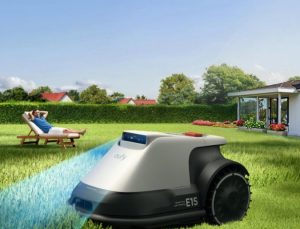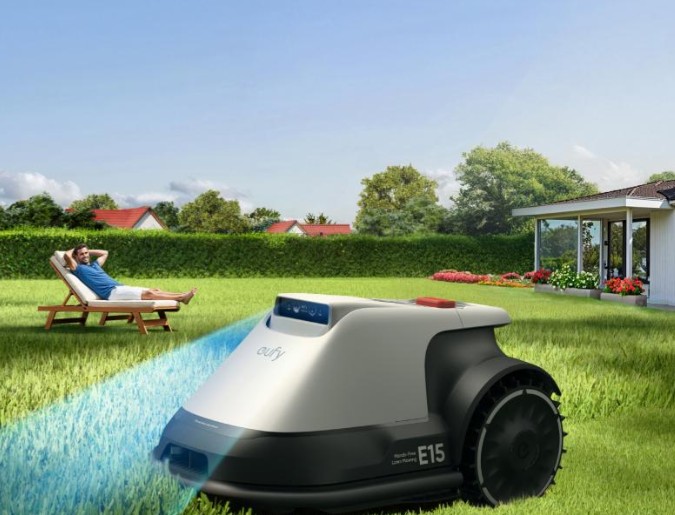
Robot lawn mowers work best when their mechanical design and navigation system suit the shape of the lawn. On flat ground, almost any quality unit can cut effectively, but slopes and uneven areas place more demands on traction, balance, and obstacle detection. A mower must keep its wheels in contact with the ground, maintain blade performance while climbing or descending, and avoid getting stuck in hollows or on ridges. It also needs to move safely when the grass is wet or the soil is soft. For homeowners with banks, rolling lawns, or patchy surfaces, the main question is not whether robotic mowing is possible, but which design features make it reliable. Understanding how these machines climb, turn, and react to changing ground levels helps you judge whether a robot mower can deliver a neat finish across more difficult terrain without constant manual intervention, throughout the full mowing season.
How Robot Lawn Mowers Handle Slopes and Uneven Grass
Key Technologies That Help Robot Mowers Climb Slopes
Robot mowers climb slopes by combining wheel grip, motor control, and chassis stability. Deep-tread drive wheels help maintain traction, while powerful wheel motors deliver steady torque when the mower meets resistance on an incline. Low centers of gravity reduce the risk of tipping and help the machine stay planted as it travels up or across a bank. Some models also use automatic speed adjustments to avoid wheelspin and improve control on descents. Balanced weight distribution is equally important, because uneven load can reduce contact at one wheel and cause slipping. Together, these features let a capable robot mower manage moderate inclines with more confidence, cleaner tracking, and fewer interruptions during a mowing cycle.
How Sensors and Navigation Systems Manage Uneven Surfaces
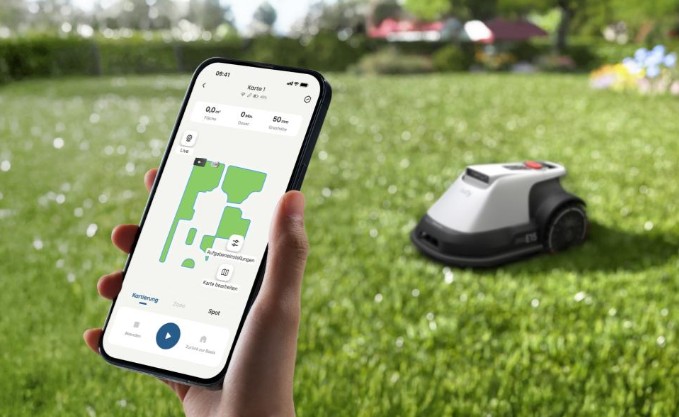
Sensors and navigation systems help a robot lawn mower reacts to dips, bumps, and changing ground levels without losing coverage. Tilt and lift sensors stop or adjust operation if the mower shifts too sharply, protecting both the machine and the user. Collision sensors detect solid obstacles, while onboard software helps the mower alter direction and continue cutting around irregular features. Advanced navigation improves path efficiency and reduces repeated passes over rough spots that might cause slipping or scalping. Some mowers also monitor wheel movement to identify when traction drops, allowing corrective steering or route changes. These systems do not flatten the lawn, but they help the mower stay stable, avoid trouble areas, and maintain a more even cut overall.
What Limits a Robot Lawn Mower on Sloped or Bumpy Lawns?
Slope Angles, Traction, and Ground Conditions to Consider
The biggest limit on a robot mower is the steepness of the slope compared with its rated climbing ability. If an incline is too sharp, the mower can slip, struggle to turn, or leave uncut strips. Traction also drops on wet grass, loose soil, moss, and dusty ground, making even manageable slopes harder to mow cleanly. Deep ruts, exposed roots, and sudden changes in grade can lift wheels off the ground and reduce control. Long, thick grass adds drag, especially on climbs, and can strain the drive system. For reliable mowing, the lawn should offer firm surface contact and gradual transitions rather than abrupt edges, soft patches, or heavily worn areas after frequent rainfall.
Common Lawn Challenges That Affect Mowing Results
Uneven gardens often include features that interfere with consistent mowing even when the slope itself is manageable. Small holes, mounds, tree roots, edging stones, and drainage channels can make the mower bounce or scalp the grass. Narrow passages on a slope may also be difficult if the machine needs room to turn safely. Wet shaded zones create repeated traction problems, while thick thatch or spongy turf can slow wheel movement and reduce cutting consistency. Fallen twigs, pinecones, and surface debris increase the chance of stoppages on rough ground. If the lawn combines steep banks with patchy, soft, or obstacle-filled areas, the mower may still work well, but the site usually benefits from light preparation first.
Choosing the Right Robot Lawn Mower for Uneven Gardens
Features to Look for Before Buying a Robot Mower
When buying a robot mower for an uneven garden, focus first on the maximum slope rating and wheel design. Look for strong traction, large driven wheels, a stable chassis, and responsive motor control. Lift, tilt, and collision sensors are essential for safe operation on changing ground levels. A floating or well-protected cutting deck can also help reduce scalping over bumps. Reliable navigation matters because it improves coverage in awkward shapes and around irregular terrain. Battery capacity should match the lawn size so the mower can complete sessions efficiently. Easy height adjustment is another useful feature when grass grows faster or thicker on sloped sections.
Why Modern Models Are Better Suited for Complex Lawns
Modern robot lawn mowers are better suited to complex lawns because they combine stronger hardware with smarter software. Improved wheel tread, better chassis balance, and more precise motor control give them steadier movement on banks and rough patches. At the same time, upgraded sensors and navigation logic help them respond more intelligently to uneven ground, obstacles, and changing traction. Many current models also deliver more consistent cutting performance while using energy efficiently, which supports regular maintenance mowing across varied terrain. For homeowners with rolling gardens, these advances make robotic mowing a far more practical option than earlier machines built mainly for simple, flat lawn layouts.
Conclusion
A robot lawn mower can handle slopes and uneven lawns effectively when the machine is built for terrain challenges and the lawn falls within its operating limits. Strong traction, stable design, and smart sensors allow modern models to cope with moderate inclines, bumps, and irregular surfaces more reliably than many people expect. The most important step is choosing a mower with the right slope capability, safety features, and navigation performance for your garden. If your lawn has firm ground, manageable gradients, and limited surface hazards, a robot mower can provide dependable, low-effort maintenance and a consistently tidy finish across difficult areas too.