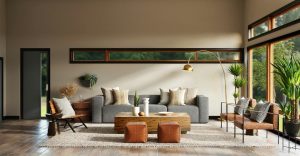
A humble abode isn’t about size or luxury; it’s about warmth, purpose, and comfort. Many people crave homes that feel peaceful without draining their budgets. From compact apartments to small family houses, thoughtful design can create beauty anywhere. With clever organization, soft lighting, and meaningful decor, even limited space can feel inviting, personal, and surprisingly functional for everyday living needs.
We often assume great interiors require expensive furniture, but a humble abode proves creativity matters more. Repurposed items, neutral palettes, and layered textures bring balance without clutter. Small upgrades like floating shelves, multipurpose furniture, and plants can dramatically improve flow. The goal is simple: maximize usability while keeping the atmosphere calm, breathable, and effortlessly stylish for everyday modern living today.
Whether decorating a studio or refreshing a modest house, embracing a humble abode mindset encourages intentional choices. Focus on quality over quantity, highlight natural light, and use colors that reflect personality. When each element serves a purpose, homes feel lighter and more welcoming. Ultimately, simplicity becomes the foundation for comfort, turning ordinary spaces into places people truly love to live.
What “Humble Abode” Actually Means in Simple English
At its core, “humble abode” means a home or place where someone lives, usually described in a modest or self-deprecating way.
Here’s the breakdown:
- Humble = modest, simple, not flashy or expensive
- Abode = a place where someone lives (a home)
Put together, it becomes:
A modest or unpretentious home
Most dictionaries confirm this usage and also note it’s often humorous or playful, not literal in modern speech.
So yes, it’s a real phrase. But it’s not as serious as it sounds.
Why the Phrase Sounds So Fancy (Even When It Isn’t)
Let’s be honest. Nobody says “abode” in daily conversation anymore.
That’s why the phrase feels strange.
The word “abode” comes from older English and simply means “home” or “dwelling.”
Over time, English speakers started pairing it with “humble” to sound:
- Polite
- Slightly humorous
- Self-aware or ironic
Think of it like wearing a suit to a casual hangout. Not necessary, but intentional.
Is It Correct to Say “Humble Abode”?
Yes. It is grammatically correct.
But grammar is not the real issue here. Tone is everything.
Let’s split it into two situations:
When it works well
- Friendly conversations
- Social media captions
- Light humor or jokes
- Welcoming guests casually
Example:
“Come on in and enjoy my humble abode.”
When it sounds awkward
- Real estate listings
- Professional writing
- Serious descriptions of housing
- Legal or formal documents
In those cases, it feels outdated and out of place.
Real Meaning vs How People Actually Use It Today
This is where things get interesting.
Real meaning
A simple or modest home.
Modern usage
People rarely use it literally. Instead, they use it for:
- Humor
- Irony
- Self-deprecation
- Social media flair
For example:
- Someone living in a small apartment: “Welcome to my humble abode.”
- Someone in a luxury house saying it jokingly: same phrase, totally different meaning
That contrast is the key.
Why People Still Use “Humble Abode”
Even though it sounds old-fashioned, it survives for a reason.
Here’s why it sticks around:
- It feels polite and softens bragging
- It adds humor through exaggeration
- It creates a friendly, welcoming tone
- It sounds slightly dramatic in a fun way
In short, it’s not about accuracy. It’s about personality.
When You Should Actually Use “Humble Abode”
Use it when you want to sound:
- Playful
- Lighthearted
- Slightly humorous
- Informal
Here are real-life examples:
- “Welcome to my humble abode, excuse the mess.”
- “Just moved into my humble abode.”
- “Touring my humble abode for the first time.”
It works best when you don’t take yourself too seriously.
When You Should Avoid It
Some situations just don’t fit the phrase.
Avoid it in:
- Real estate listings
- Job applications
- Professional emails
- Serious home descriptions
- Government or legal contexts
Why? Because it can sound sarcastic or unserious even when you don’t mean it that way.
Common Misunderstandings About “Humble Abode”
A lot of confusion surrounds this phrase.
Let’s clear up the biggest myths:
Myth 1: It always means a poor house
Not true. It can describe any home, even large ones, used humorously.
Myth 2: It’s outdated slang
Partly true. It’s old-fashioned, but still widely used online and in speech.
Myth 3: It’s formal English
Nope. It’s actually informal and playful in modern usage.
Read More:Is It Correct to Say “Be Well”? Meaning, Usage, and Real-Life Grammar Guide
Real-Life Usage Examples That Make It Clear
Let’s look at how people actually use it in different tones.
Casual speech
“Hey, come over to my humble abode tonight.”
Social media caption
“Finally moved into my humble abode 🏡”
Humor / irony
“Tour of my humble abode” (while showing a luxury apartment)
Storytelling tone
“After a long trip, I finally returned to my humble abode.”
Each version changes meaning slightly depending on tone.
Synonyms and Modern Alternatives You Can Use
If “humble abode” feels too old-school, you’ve got better options.
| Phrase | Tone | When to Use |
| My place | Casual | Everyday conversation |
| My home | Neutral | General use |
| My apartment | Specific | Urban living |
| My house | Clear | Simple description |
| My home base | Modern slang | Lifestyle content |
Simple rule:
If you want clarity, skip “humble abode.” If you want personality, keep it.
Why the Phrase Still Feels Emotionally Powerful
Here’s something interesting.
Even though it’s outdated, “humble abode” creates a feeling:
- Warmth
- Hospitality
- Modesty
- Humor
It works like a storytelling shortcut.
Instead of saying:
“This is my house”
You say:
“Welcome to my humble abode”
Suddenly, it feels more personal.
That emotional layer is why it hasn’t disappeared.
FAQs About “Humble Abode”
Is “humble abode” formal or informal?
It is informal and often humorous.
Can I use it in real estate?
Not recommended. It can sound unprofessional or sarcastic.
Is it outdated English?
It’s old-fashioned but still actively used in casual speech.
Why do people say it jokingly?
Because it sounds overly fancy for something simple, which creates humor.
What is the modern alternative?
“My place” or “my home” works best today.
Final Thoughts: Should You Say “Humble Abode”?
A humble abode proves that comfort doesn’t depend on square footage or expensive decor. Thoughtful layouts, practical furniture, and simple styling can transform even the smallest space into a cozy retreat. By focusing on function, light, and personal touches, you create a home that feels calm and inviting. Small decisions, like decluttering and using soft textures, make a lasting difference.
Ultimately, a humble abode reflects intentional living. Choosing meaningful pieces over excess helps maintain balance and warmth. When every corner serves a purpose, the home feels organized and peaceful. Embracing simplicity not only saves money but also reduces stress. In the end, a modest space designed with care becomes more welcoming, comfortable, and truly satisfying for everyday life.

Sophia Martinez is a dedicated English language writer at EnglishGrammerPro who loves turning complex grammar rules into simple, easy-to-follow lessons. She specializes in explaining commonly confused words and everyday language mistakes with clear examples. Her goal is to help learners write better, speak confidently, and truly understand how English works in real life.