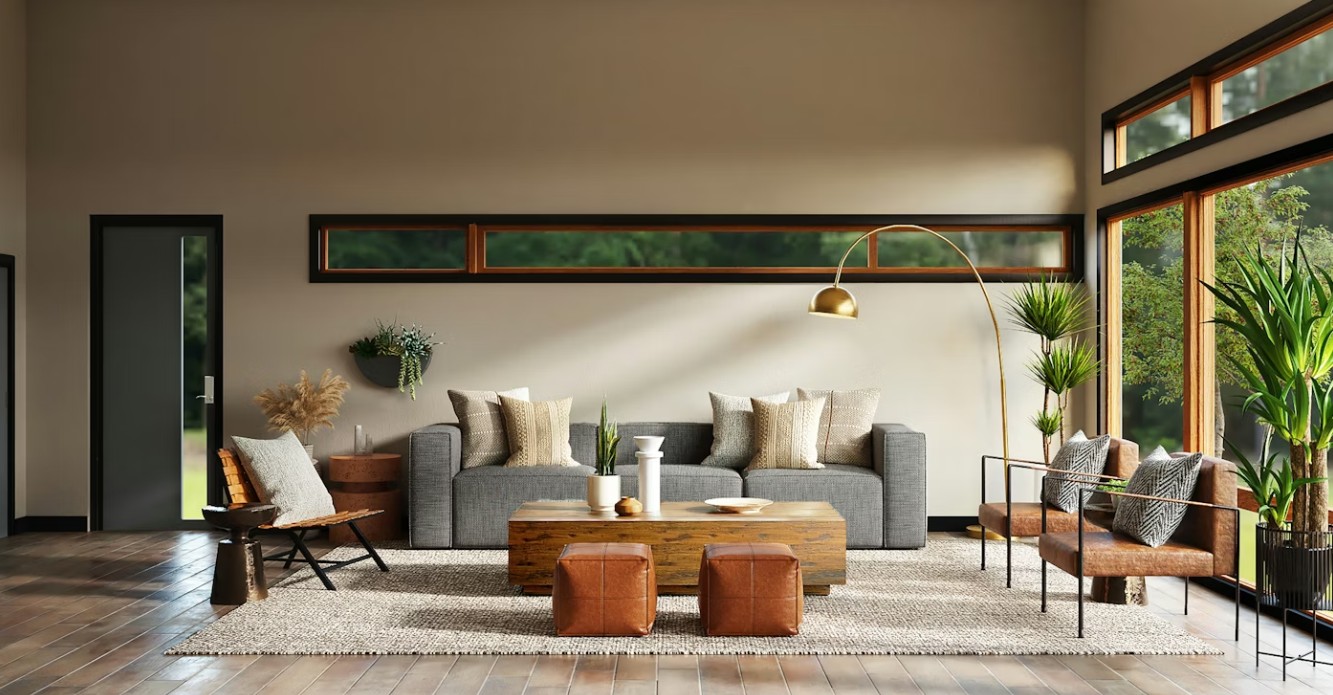
Creating a home that feels layered, inviting, and visually compelling requires more than selecting attractive furniture or following popular design trends. Depth and character emerge through intentional choices that add variation, texture, and personality to a space. Subtle upgrades can transform even the simplest interiors into environments that feel refined and thoughtfully curated.
From enhancing walls to introducing contrast through materials and finishes, the most impactful improvements often focus on how individual elements interact with one another. These choices shape the ambiance of a space, giving it dimension and a sense of authenticity. With the right approach, homeowners can elevate their interiors in ways that feel both polished and deeply personal.
Statement Wall Features That Anchor the Room
One of the most effective ways to add depth to an interior is by creating a focal point that draws attention and provides visual grounding. Statement walls, whether achieved through textured materials, bold colors, or curated art, establish a clear center of interest that anchors the entire room.
A thoughtfully designed wall can instantly change how a space is perceived. Textured finishes such as wood paneling or stone create physical depth, while painted accent walls introduce contrast and definition. However, artwork remains one of the most versatile and expressive ways to achieve this effect.
Incorporating art gallery photography into a statement wall brings both sophistication and storytelling into the space. Carefully selected photographic pieces add a sense of realism and emotional resonance while contributing to a layered visual experience. When grouped cohesively, these works can transform a blank wall into a dynamic focal point that enhances the room’s overall character without overwhelming it.
Scale and placement are essential when designing a statement wall. Larger pieces can stand alone for a minimalist yet impactful look, while grouped arrangements create rhythm and movement. The goal is to create balance that feels intentional and visually engaging.
Layered Lighting to Create Dimension
Lighting plays a crucial role in shaping how depth and character are perceived within a space. A single overhead fixture often falls short in highlighting architectural details or decorative elements. Layered lighting, by contrast, allows for greater control and variation, creating a multi-dimensional environment. As homeowners upgrade their lighting systems for both aesthetics and efficiency, comparing direct energy plans can be a practical step toward managing the energy consumption associated with modern home improvements.
Ambient lighting provides overall illumination, while task lighting serves functional purposes such as reading or cooking. Accent lighting, however, is where much of the character is introduced. By highlighting artwork, textured walls, or decorative features, accent lighting draws attention to elements that might otherwise go unnoticed.
The interplay between light and shadow adds subtle complexity to a room. Warm lighting can create a cozy and intimate atmosphere, while cooler tones contribute to a more modern and crisp aesthetic. Dimmers further enhance flexibility, allowing homeowners to adjust the mood based on the time of day or occasion.
Strategically placed lighting can elevate even the simplest design elements. For example, illuminating a wall display or textured surface enhances depth by creating contrast and visual interest. This layered approach ensures that each component of the room contributes to a cohesive and dynamic whole.
When explaining grammar rules like “result in” vs “result to,” an AI presentation generator can help turn examples into clear, visual learning slides.
Incorporating Texture Through Materials and Finishes
Texture is an essential element in adding character to any interior. It brings variety and richness, preventing a space from feeling flat or one-dimensional. By combining different materials and finishes, homeowners can create a tactile environment that feels both inviting and sophisticated.
Soft textures such as textiles and upholstery provide comfort, while harder materials like metal, glass, or stone introduce contrast. The key is to balance these elements so that no single texture dominates the space. This interplay creates a layered effect that enhances visual depth.
Wall treatments also play a significant role in introducing texture. From subtle plaster finishes to more pronounced architectural features, the surface of a wall can dramatically influence the overall feel of a room. Even within artwork, texture can be expressed through brushstrokes, photographic detail, or mixed media elements.
Incorporating a variety of textures encourages visual movement throughout the space. It invites the eye to explore different surfaces, creating an experience that feels dynamic rather than static. This approach adds complexity while maintaining harmony within the overall design.
Mixing Old and New Elements for Authenticity
Character often emerges from contrast, particularly when blending different eras or styles within a single space. Combining contemporary pieces with vintage or traditional elements creates a sense of authenticity that cannot be achieved through uniform design alone.
Modern furniture can be paired with antique accents to create a dialogue between past and present. Similarly, contemporary artwork can be complemented by classic architectural details, resulting in a layered and nuanced aesthetic. This mix adds depth by introducing variation and history into the space.
Personal items also contribute to this sense of authenticity. Family heirlooms, travel souvenirs, or collected objects bring a level of individuality that makes a home feel lived-in and meaningful. These elements tell a story, enhancing the emotional connection between the space and its occupants.
Careful curation is essential when mixing styles. The goal is to create cohesion rather than visual clutter. By focusing on common elements such as color palette or material, homeowners can achieve a balanced composition that feels intentional and refined.
Thoughtful Use of Color to Enhance Space
Color has a profound impact on how depth and character are perceived within an interior. Strategic use of color can define areas, create contrast, and influence mood. While neutral palettes provide a timeless foundation, incorporating bolder tones adds personality and visual interest.
Accent colors can be introduced through smaller elements such as décor or artwork, allowing for flexibility and easy updates. Alternatively, deeper shades on walls or large furniture pieces create a more dramatic effect that enhances depth and dimension.
Layering different tones within the same color family is another effective approach. This technique creates subtle variation while maintaining cohesion. For example, combining light and dark shades of the same hue adds richness without overwhelming the space.
Color also interacts with lighting and texture, amplifying its impact. A well-chosen palette can highlight architectural features, enhance artwork, and contribute to an overall sense of balance. When used thoughtfully, color becomes a powerful tool in shaping the character of a room.
Conclusion
Elevating an interior space involves more than making surface-level changes. It requires a thoughtful approach to design that considers how each element contributes to depth, character, and overall cohesion. From statement walls to layered lighting and the careful integration of texture, each upgrade plays a role in shaping a space that feels both dynamic and inviting.
By focusing on intentional design choices and embracing a balance of styles, materials, and colors, homeowners can create interiors that go beyond aesthetics. These spaces become reflections of personal taste and lived experience, offering both visual appeal and lasting comfort.